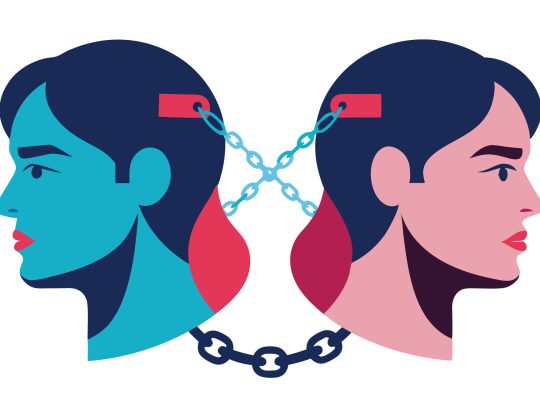

Attachment styles in relationships affect everything—how we give and receive love, handle conflicts, and trust others. If you’ve ever asked yourself, “Why do I get so anxious when my partner doesn’t reply?” or “Why do I pull away when things get too close?”—it’s likely connected to your attachment style.
Whether you overthink every text, avoid deep emotional talks, or constantly wonder if you’re enough, understanding your attachment style is the first step to creating healthier relationships.
In this guide, you’ll learn:
✔ What attachment styles are and why they matter
✔ The 4 main attachment styles in relationships
✔ How to figure out your own style
✔ How these styles affect love and trust
✔ Steps for relationship healing and attachment styles growth
✔ Simple exercises to build security and confidence in love

What Are Attachment Styles in Relationships?
Attachment styles are emotional patterns we develop in childhood—based on how our caregivers treated us—and they influence how we relate to people as adults.
They affect how you:
- Express love and affection
- Deal with arguments and conflict
- Handle closeness and independence
- React to rejection or feeling ignored
When your attachment style is healthy, relationships feel safe and fulfilling. When it’s insecure, love can feel stressful, uncertain, or overwhelming.
The 4 Attachment Styles in Relationships
Let’s break them down in a simple, relatable way so you can identify yours.
1. Secure Attachment Style
People with a secure attachment style feel comfortable with closeness and independence. They trust their partner, communicate openly, and manage conflict without spiraling.
Example:
If your partner cancels dinner plans, you think, “That’s okay, we’ll reschedule,” instead of panicking or shutting down.
Traits of Secure Attachment:
✔ Feels safe expressing needs
✔ Trusts without constant reassurance
✔ Maintains healthy boundaries
2. Anxious Attachment Style
If you often worry your partner might leave or stop loving you, you might have an anxious attachment style.
Example:
Your partner doesn’t reply for 2 hours, and you start imagining the worst—maybe they’re losing interest or mad at you.
Traits of Anxious Attachment:
✔ Needs frequent reassurance
✔ Overanalyzes texts and behaviors
✔ Fear of abandonment

3. Avoidant Attachment Style
Avoidant individuals value independence so much that closeness feels uncomfortable. They often avoid emotional conversations and vulnerability.
Example:
Your partner wants to talk about feelings, and you suddenly feel trapped or want to withdraw.
Traits of Avoidant Attachment:
✔ Struggles with emotional intimacy
✔ Prefers space and independence
✔ Discomfort sharing feelings
4. Disorganized (Fearful-Avoidant) Attachment Style
This one is a mix of anxious and avoidant traits. You crave love but fear being hurt, so you pull people close and push them away at the same time.
Example:
You want intimacy but when someone gets close, you feel scared and sabotage the relationship.
Traits of Disorganized Attachment:
✔ Fear of rejection and abandonment
✔ Difficulty trusting others
✔ Mixed signals—wants love but avoids it
How to Identify Your Attachment Style
Ask yourself:
- Do I feel trapped when someone gets too close? (Avoidant)
- Do I feel both at different times? (Disorganized)
- Do I trust my partner and feel safe in love? (Secure)
- Do I feel anxious when my partner needs space? (Anxious)
You can also take an attachment style quiz on Attachment Project

How Attachment Styles Develop
Attachment styles start in childhood, shaped by caregiver behavior:
✔ Secure: Caregivers were consistent and nurturing.
✔ Anxious: Caregivers were inconsistent—sometimes attentive, sometimes not.
✔ Avoidant: Caregivers were emotionally distant or dismissive.
✔ Disorganized: Caregivers were abusive, neglectful, or unpredictable.
Good news: Your attachment style is not permanent. Through relationship healing, you can move toward security.
Learn More on healing relationship through your attachment style on Therapy Group Of DC
How Attachment Styles Affect Romantic Relationships
- Communication: Secure people express needs calmly. Anxious partners may over-communicate. Avoidants tend to shut down.
- Conflict: Secure partners stay balanced. Anxious ones panic. Avoidants withdraw.
- Intimacy: Secure = comfortable. Avoidant = uncomfortable. Anxious = clingy.
- Trust: Insecure styles often create jealousy or fear of abandonment.
Relationship Healing and Attachment Styles: How to Heal and Grow
If you want a secure, healthy relationship, start with these steps:
✅ 1. Understand Your Attachment Style
Awareness is the first step. Take a quiz, read more, and observe your patterns in love.
✅ 2. Practice Self-Compassion
Your attachment style is not your fault—it formed as a survival strategy. Instead of judging yourself, remind yourself:
“I’m learning, and I can change.”
✅ 3. Regulate Your Emotions
Insecure attachment comes with big feelings. Try:
✔ Deep breathing when anxious
✔ Journaling feelings
✔ Mindfulness. New to mediation, not to worry, start here Mindfulness for emotional regulation
✅ 4. Set Healthy Boundaries
Boundaries aren’t walls—they’re bridges. Example:
“I love spending time with you, but I also need alone time.”
Read How to set boundaries in a relationship
✅ 5. Heal Inner Child Wounds
A lot of attachment issues come from childhood pain. Therapy or coaching can help you re-parent yourself.
Need to heal from an insecure attachment and don’t know where to start; click here Find a therapist near you OR Find a therapist near you
✅ 6. Surround Yourself with Safe People
Healthy, secure people model what love should feel like—safe, steady, and respectful.
✅ 7. Seek Professional Support
If it feels overwhelming, working with a therapist or relationship coach can speed up healing.

Practical Exercises for Building Secure Attachment
✔ Daily Affirmations:
“I am worthy of love and respect.”
“My needs matter.”
✔ Journaling Prompts:
- What fears show up when I feel ignored?
- How do I usually react when I’m hurt?
✔ Connection Rituals:
- Share one thing you appreciate about your partner daily.
- Schedule weekly check-ins for honest conversations.
Final Thoughts
Your attachment style in relationships shapes how you love, trust, and connect—but it doesn’t define your future. With awareness, healing, and practice, you can move toward security and create the love you deserve.
Healing is possible. You can rewrite your story.

FAQs
Q1: Can my attachment style change?
Yes! With self-awareness, therapy, and healthy relationships, you can develop a secure style.
Q2: Is it bad to have an anxious or avoidant style?
No, it’s just a learned pattern. The goal is to unlearn what no longer serves you.
Q3: How do I talk to my partner about this?
Be honest and kind: “I’ve learned about attachment styles, and I want us to grow together.”
Conclusion
Understanding attachment styles in relationships is the first step toward building healthier connections and healing from past wounds. Remember, change takes time, but every small step counts toward creating the love and security you deserve.
If you found this post helpful, follow me on social media for daily tips, insights, and practical advice on relationship healing and personal growth. Let’s continue this journey together!
📌 Connect with me here: