
Many people give so much in relationships that they forget they also deserve care, rest, and emotional support. If you have ever felt drained, overwhelmed, or invisible because you are always the “strong one,” you are not alone. Countless people struggle with silent patterns that push them to carry the emotional weight in most of their relationships.
Codependency is one of those patterns. It shapes the way you love, connect, help, and even how you see yourself. Although it often begins quietly, it can affect every part of your emotional life.
This article explains what codependency is, why it develops, and how it affects your relationships. It also shows how you can begin healing. By understanding this pattern, you can start building healthier, more balanced connections with others and with yourself.
What Is Codependency?
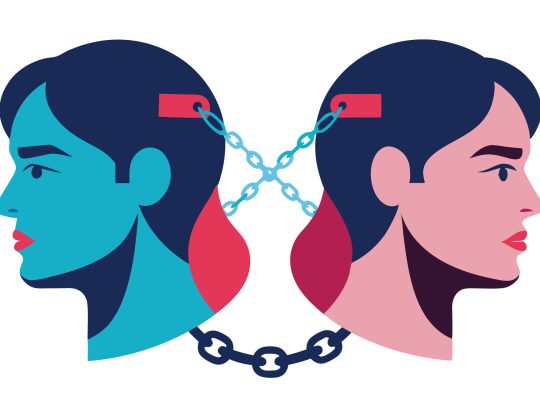
Codependency is a relationship pattern where you focus on another person’s needs more than your own. It often happens when your sense of worth comes from being useful, needed, or helpful. Because of that, you may give too much, tolerate harmful behavior, or feel responsible for solving other people’s problems.
This pattern does not mean you are weak. In fact, many codependent people are strong, caring, and deeply loyal. However, when giving becomes your identity, you can lose your own voice in the process.
Why This Happens
Codependency develops for many reasons. For instance, you may have learned early in life that being good, quiet, or helpful brought peace to the home. You may also have grown up around emotional instability. Because of that, caring for others felt safer than caring for yourself. Over time, this becomes a habit. Eventually, the habit becomes a lifestyle.
As adults, many people slip into codependent roles without even noticing. They want to help, support, and love deeply. However, they forget that they also need support, rest, and emotional space.
How Codependency Develops
Codependency usually begins in childhood. When a child grows up in an environment where emotions are unpredictable, they may feel responsible for keeping everyone calm. Because of this responsibility, the child learns to focus on others instead of themselves.
Common Childhood Roots
Here are a few examples of experiences that may lead to codependency:
- A parent who relied on you emotionally
- A household where conflict happened often
- A family where you were expected to be strong all the time
- A parent who struggled with health, addiction, or emotional instability
- A childhood where expressing your own needs felt unsafe
In environments like these, children learn survival through people-pleasing. They become the “fixer,” the “good child,” or the “peacekeeper.” These roles follow them into adulthood and show up in friendships, work, and romantic relationships.

Why You May Not Notice It
Because codependency feels like kindness, many people do not recognize it as a problem. In fact, helping others feels natural. However, when your giving becomes a duty and not a choice, it slowly harms your emotional health. You may feel tired, resentful, or invisible. You may also attract people who take advantage of your caring nature.
Common Signs of Codependency
Although everyone shows these signs differently, several experiences are very common. When people read them, they often feel relieved. Finally, the chaos makes sense.
Here are the signs, explained in simple and relatable language:
1. You feel responsible for everyone’s feelings.
If someone is upset, you feel anxious. Because of this, you rush to solve their problem. Even when you are not involved, you still feel guilty.
2. Saying “no” feels uncomfortable.
You want to make others happy. Therefore, you say yes even when your heart is screaming for rest. Later, you feel overwhelmed, but you blame yourself for it.
3. You put others first, even when it hurts you.
You cancel your plans. You push aside your needs. You give more than you have. Although you mean well, you slowly lose yourself.
4. You attract people who need fixing.
Some people come with emotional storms, and you show up with an umbrella. Because you want to help, you take on roles that drain you.
5. You fear conflict or abandonment.
Arguments make you anxious. Therefore, you walk on eggshells or over-apologize to keep peace.
6. You struggle to identify your own needs.
When someone asks, “What do you want?” you feel blank. You know what others need, but your own desires are blurry.
7. You feel guilty focusing on yourself.
Rest feels wrong. Self-care feels selfish. You worry that choosing yourself makes you a bad person.
8. You lose your identity in relationships.
You bend, adjust, and shrink to keep the relationship stable. After a while, you forget who you were before the relationship.

How Codependency Affects Your Life
The impact of codependency reaches far beyond romantic relationships. Because of its emotional nature, it influences friendships, work, parenting, self-esteem, and even your physical health.
1. Emotional Exhaustion
When you carry everyone’s weight, you leave none for yourself. As a result, you feel tired, drained, and emotionally heavy.
2. Quiet Resentment
You give until you feel empty. After a while, resentment builds quietly. You may not express it, but you feel it.
3. Low Self-Worth
Because your value is tied to giving, you may struggle to feel worthy when you are not helping someone.
4. Repeating Harmful Relationship Patterns
You may find yourself with partners who take more than they give. Because you want to be needed, the cycle repeats.
5. Anxiety and Overthinking
You overthink every situation. You replay conversations. You wonder what you did wrong, even when you did nothing.
Why People Stay Codependent Even When It Hurts
This is an important question. People stay in codependent patterns because the patterns feel familiar. Although they are painful, they feel safe. Your brain sees them as “normal” because you learned them early in life.
Other reasons include:
- Fear of being abandoned
- Fear of disappointing people
- Belief that love requires sacrifice
- Habitual caretaking
- Hope that giving more will finally bring peace
Because these patterns run deep, people often struggle to break them alone. The good news, however, is that healing is possible.

The Good News: Codependency Can Be Healed
Codependency is not a life sentence. Since it is a learned pattern, it can be unlearned. Healing does not require perfection. It requires awareness, compassion, and practice.
Here are some gentle steps you can take:
1. Reconnect with yourself
Start exploring what you want, love, and need. Even small choices help you rebuild your identity.
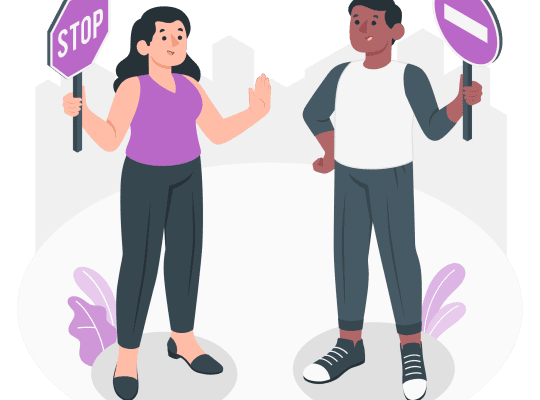
2. Practice saying “no” softly
“No” does not make you unkind. Instead, it protects your energy and peace.
3. Build emotional independence
You can care without carrying. You can support someone without solving their problems.
4. Strengthen your self-worth
You deserve love, not because you give, but because you exist.
5. Seek support
A trusted friend, mentor, or therapist can help you break old patterns and create healthy ones.
6. Learn healthier relationship skills
Healthy love feels balanced. It does not require self-abandonment. It allows both people to thrive.
Conclusion (Summary of Key Points)
Codependency is a pattern where you lose yourself while caring for others. It often develops in childhood and continues into adult relationships. Because of this pattern, you may struggle with boundaries, emotional exhaustion, guilt, or low self-worth. However, codependency can be healed. With awareness, support, and new habits, you can build healthier relationships where your needs matter just as much as everyone else’s.
Understanding what codependency is becomes the first step toward emotional freedom. As you grow, you will discover that caring for others is beautiful — but caring for yourself is powerful.